

Therapy for Eating Disorders + Body Image in Salado, Texas

Are you tired of food ruling your life, the scale determining your worth, or feeling trapped in the diet/binge cycle? Do you feel like food is the only way you know how to cope with your emotions?
therapy for eating disorders + body image in salado, texas can help!
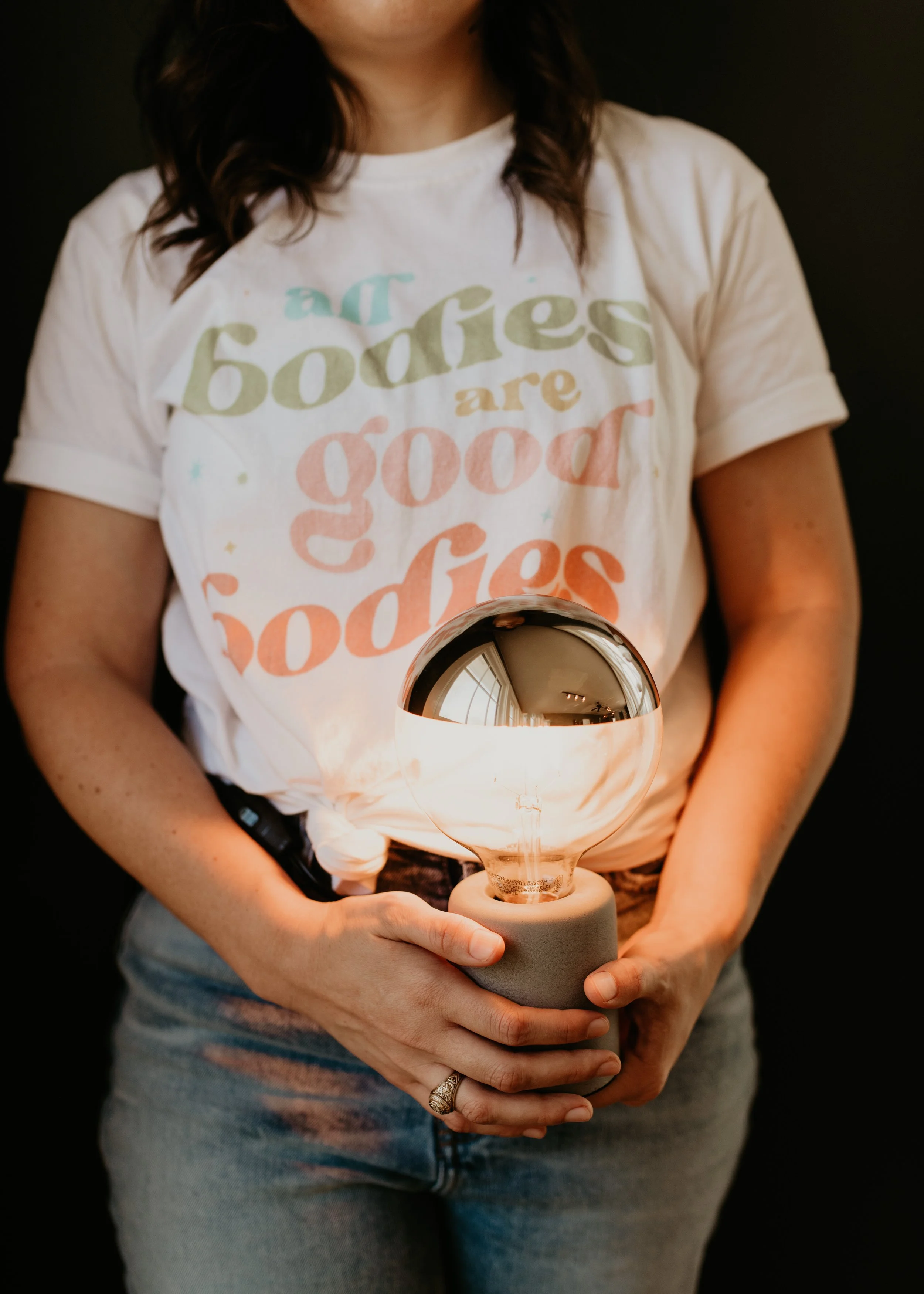

I’m here to help you break free from the food rules, the judgement, the constant critical thinking, and feeling at odds with your body. I believe that all bodies are good bodies, being thin does not equal being healthy, and weight lost at the expense of your mental health and life satisfaction is not true health at all.
I utilize Acceptance and Commitment Therapy (ACT), Dialectical Behavior Therapy (DBT), and Exposure and Response Prevention therapy (ERP) to promote a more flexible relationship with your thoughts, relate to your body and food in a more workable way, and offer you helpful emotion regulation skills in place of food as a coping strategy. With mindfulness practices to come back home to your body, and your values guiding your actions, it is possible to make meaningful change in your relationship with mind, body, and food.
I am also rooted in Intuitive Eating principles to help you ditch the diet, stop policing your food, respect your body, enjoy movement, and take care of your health in a gentle way. All bodies are welcome to take up space in my practice.
How therapy for disordered eating + body image in salado, tx can help
Where you’re at
✦ Food and guilt go hand-in-hand
✦ Your thoughts are consumed by food & weight
✦ The number on the scale defines your worth
✦ You're outsourcing your body's wisdom to a diet
✦ You exercise to “make up for” what you ate
Where we’re going
✦ Permission to eat all foods without the rules
✦ Make mental space for meaningful parts of life
✦ Enjoy food without guilt or compensating
✦ Respect your body without shrinking it
✦ Care for your health regardless of your size
therapy for eating disorders + body image in salado, texas + throughout the state of texas virtually
LEARN MORE ABOUT EATING DISORDERS
Over 29 million Americans will suffer from a diagnosable eating disorder throughout their lifetime. Eating disorders are not a rare struggle.
Unfortunately, our culture offers praise and endorsement for all of the common behaviors that lead up to developing an eating disorder. Praising thinness, clean eating, exercising through pain, and many other factors often contribute to not noticing you have a problem until it is very serious and debilitating.
Learn more about the many different ways that an eating disorder can show up in your life by exploring the drop down menu here. These are the different eating disorders that I am specialty trained to provide support and care for in your journey towards recovery and healing.
-
Anorexia is characterized by restriction of food intake, body image disturbances, and an intense fear of gaining weight, despite being underweight. Anorexia can impact your health, and is the second highest mortality rate of all psychiatric illnesses.
-
Bulimia is characterized by consuming large amounts of food in a short amount of time, followed by compensatory behaviors such as vomiting, diet pill or laxative use, compulsive exercise, or other means to get rid of the food consumed. Bulimia often feels chaotic and shameful.
-
Binge eating is characterized by recurring episodes of rapidly overeating, even when not hungry, and eating past the point of extreme fullness. Binge eating creates an atmosphere of secrets, shame, and feeling completely out of control around food.
-
Orthorexia is an unhealthy obsession with healthy eating. Clean eating, obsessive and compulsive exercising, preoccupation with being fit or having a toned physique vs. desiring thinness occurs in those struggling with Orthorexia. Although this is not yet in the DSM, it is broadly understood as a distressing and all-consuming way to relate to food and deserving of care and treatment.
-
Avoidant Restrictive Food Intake Disorder or picky eating is characterized by having a lack of interest in food in general, fearing certain textures or tastes, or fear of adverse reactions to foods such as choking, vomiting, or an allergic reaction. ARFID is unrelated to a fear of weight loss, although weight can be impacted by not meeting nutritional needs.
-
Other Specified Eating Disorder is an eating disorder diagnosis used to capture Atypical Anorexia, lower frequencies of eating disorders behaviors, or cycling between several behaviors. It is no less serious or impactful on a person’s health and life despite the name and diagnostic criteria.
Please Note:
Moderate to severe eating disorders often require more intensive care settings with medical monitoring. Our phone consult is a great way to determine what level of support would be best for you.
Get started in therapy for eating disorders + body image in salado, tx
ready to MAKE PEACE WITH FOOD, HEAL YOUR BODY IMAGE + CALM YOUR ANXIOUS MIND?
Book your free consultation call
I offer a complimentary 15-minute phone call to answer any questions you may have and break the ice before we get started! The button below will take you to my contact page where you can book your intro call at a time convenient for you, or send me a message using the contact form.
Schedule your first session
When we speak on the phone, we will go ahead and find a time that works for our schedules to meet on a weekly basis! A time reserved just for you each week to sneak away from the hustle of life and take care of yourself unapologetically.
Head towards recovery!
Through our weekly sessions, using evidence-based therapy approaches, we will begin to identify and practice personalized coping strategies made just for you. The road to recovery from anxiety, OCD, or an eating disorder starts now!

Frequently asked questions
For your eating disorder + body image therapist in salado, texas
-
Absolutely! Eating disorders don't discriminate based on gender. Boys and men can struggle with anorexia, bulimia, binge eating, compulsive exercise, body image concerns, and disordered eating just like anyone else.
Sometimes these struggles can look a little different. Rather than focusing solely on weight loss or thinness, boys and men may feel pressure to become more muscular, leaner, or stronger. This can show up as rigid food rules, excessive exercise, anxiety about missing workouts, or feeling like their body is never quite good enough.
Regardless of gender, you deserve to feel at peace with food and your body. Therapy can help you step away from rigid rules, build a more trusting relationship with your body, and create a life that isn't consumed by food, exercise, or appearance.
-
Yes. You don't need a formal diagnosis or certainty about what to call your experience before reaching out. Maybe you spend a lot of time thinking about food, feel anxious after eating certain things, struggle with body checking, find yourself caught in cycles of dieting and binge eating, or feel like your life revolves around trying to change your body.
Even if you're not sure whether these experiences qualify as an eating disorder, they can still be distressing and worth exploring in therapy. We'll work together to understand your concerns, identify patterns that may be keeping you stuck, and determine what kind of support would be most helpful.
You deserve support before food and body image concerns take over even more of your life.
-
Yes! If you find yourself eating past the point of comfort, feeling out of control around food, eating to cope with difficult emotions, or getting caught in a cycle of restriction and binge eating, you're not alone.
Sometimes, the harder you try to control your eating, the more consumed you become by food. Together, we'll explore the patterns that keep you stuck, including dieting, food rules, emotional avoidance, and the guilt or shame that can follow eating. Using approaches informed by Acceptance and Commitment Therapy (ACT), Body Trust, and Intuitive Eating principles, we'll work toward helping you respond to your needs with more flexibility and compassion.
The goal isn't to become perfectly disciplined around food. It's to help food take up less space in your mind so you can spend more time living your life.
-
Dieting often involves external rules about what, when, or how much you're allowed to eat, frequently with the goal of changing your weight or shape. Intuitive Eating is a framework that encourages you to rebuild trust with your body, reconnect with hunger and fullness cues, make peace with food, and move away from rigid food rules.
Intuitive Eating isn't another set of rules you have to follow perfectly, and it doesn't mean you have to ignore nutrition or never plan your meals. It's about developing a more flexible relationship with food that considers your physical needs, preferences, satisfaction, and lived experience.
In therapy, we can explore how dieting and food rules have affected your relationship with eating and work toward a more peaceful, sustainable approach. You don't have to know how to eat intuitively before you start. We can work toward that together.
-
Absolutely. Eating disorders affect people of all body shapes and sizes, and you can't determine whether someone is struggling by looking at their body. You might be caught in cycles of restricting, binge eating, compensating for what you've eaten, compulsive exercise, or constantly thinking about food and your appearance without fitting the stereotype of what an eating disorder is supposed to look like.
You don't have to reach a certain weight or wait until things get worse to deserve support. If food, body image, or exercise is taking up more of your life than you'd like, therapy can help you understand what's happening and begin moving toward a more peaceful relationship with food and your body.
learn more on the blog from your central texas eating disorder therapist


Want to make amends with your body, just not sure where to start? Improving your relationship with your body is difficult! Here are 7 ways that you can start your journey in repairing your relationship with your body.